- WHO: Shotsie Buck-Hayes, Lee Vogler (victim), Blair Vogler (victim's wife), Commonwealth’s Attorney Michael Newman, Circuit Judge James Reynolds.
- WHAT: Shotsie Buck-Hayes sentenced to 40 years in prison for attempted first-degree murder and aggravated malicious wounding of a Virginia city council member.
- WHERE: Danville Circuit Court, Danville, Virginia.
- WHEN: Sentence issued Thursday (unspecified date); attack occurred July 30, 2025; preliminary hearing Sept. 30, 2025; plea in April (unspecified year).
- STATUS: Case concluded with sentencing.
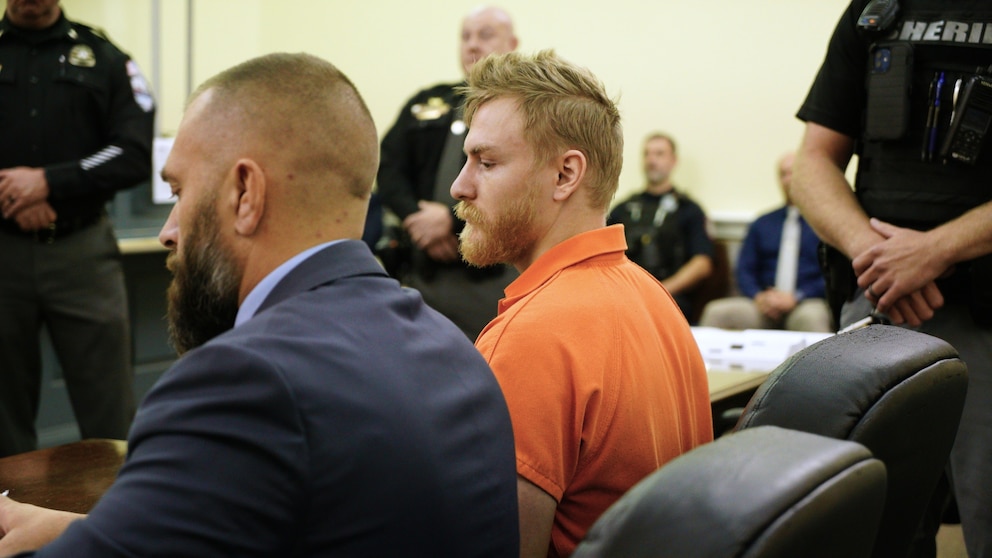
A man who admitted setting a Virginia city council member on fire in a jealous rage last year received a 40-year prison sentence on Thursday in Danville Circuit Court, according to an ABC News US report.
Shotsie Buck-Hayes pleaded guilty in April to attempted first-degree murder and aggravated malicious wounding in the July 30, 2025, attack on Lee Vogler, a city council member in Danville, Virginia.
What Happened
According to court records and witness testimonies cited by ABC News US, the incident involved Shotsie Buck-Hayes entering Lee Vogler’s Danville office with a bucket of gasoline. Witnesses reported that Buck-Hayes doused Vogler with gasoline, pursued him from the building, and subsequently set him on fire.
Lee Vogler’s wife, Blair Vogler, testified that the attack resulted in burns covering 60% of her husband’s body. Commonwealth’s Attorney Michael Newman stated that the visibly scarred councilman made an emotional statement during Thursday’s hearing, detailing how the attack profoundly altered his life. Buck-Hayes also spoke, offering what Newman described as “what he claimed to be an apology,” while reaffirming his motivation stemmed from an alleged affair between Vogler and Buck-Hayes’ wife. A breaking and entering charge was dropped as part of Buck-Hayes’ April plea agreement.
The Charges Explained
Shotsie Buck-Hayes pleaded guilty to two principal charges: attempted first-degree murder and aggravated malicious wounding. Attempted first-degree murder involves an intent to kill with premeditation and deliberation, taking a substantial step towards committing the act, and failing to complete the killing. Aggravated malicious wounding, in Virginia law, typically involves intentionally causing permanent and significant bodily injury with malicethat is, with an evil intent or disposition, without legal justification or excuse. This charge often applies when the victim suffers severe, permanent disfigurement or disability, as described in this case.
How These Cases Move Through Court
In Virginia, felony cases like attempted murder and aggravated malicious wounding typically begin with an arrest and a preliminary hearing in the General District Court, where a judge determines if there is probable cause to send the case to a grand jury. If probable cause is found, the grand jury then considers whether there is sufficient evidence to issue an indictment, formally charging the individual. Once indicted, the case moves to the Circuit Court. The defendant then enters a plea, which can be guilty, not guilty, or no contest. If the defendant pleads not guilty, the case proceeds to trial. If a guilty plea is entered, or if the defendant is found guilty at trial, a sentencing hearing is held. During sentencing, the judge considers various factors, including sentencing guidelines, victim impact statements, and the defendant's criminal history, before imposing a sentence. In this instance, Shotsie Buck-Hayes entered a guilty plea, leading directly to the sentencing phase in the Circuit Court.
Context & Background
Acts of violence, particularly those involving extreme methods, often draw significant public attention due to their severe impact on victims and communities. While specific crime statistics for Danville, Virginia, are not immediately available for comparison, violent crimes are generally prosecuted with the full force of the law, reflecting societal condemnation of such acts. Cases involving premeditation and severe injury, such as setting a person on fire, are frequently met with stringent penalties under state statutes designed to deter similar offenses and ensure public safety.
Recognizing and Reporting Homicide
Acts of violence, including those that could lead to homicide, often leave warning signs. If you or someone you know is experiencing violence, or if you have information about a crime, reporting it promptly is crucial. For immediate threats, always call 911. The National Domestic Violence Hotline at 1-800-799-SAFE (7233) provides confidential support for victims of domestic violence. If you have information regarding a crime, you can contact your local law enforcement agency. The FBI also accepts tips at 1-800-CALL-FBI, although this is generally for federal crimes or widespread investigations. Seeking help for violent thoughts or behaviors can also prevent harm; the 988 Suicide & Crisis Lifeline offers support for those in distress.
What Happens Next
With Shotsie Buck-Hayes sentenced to 40 years in prison by Circuit Judge James Reynolds, the direct legal proceedings for this specific case appear to be concluded. Generally, after sentencing, a defendant may have the option to pursue an appeal of the conviction or sentence to a higher court, though the timeline and grounds for such an appeal would depend on the specifics of the case and legal procedures.