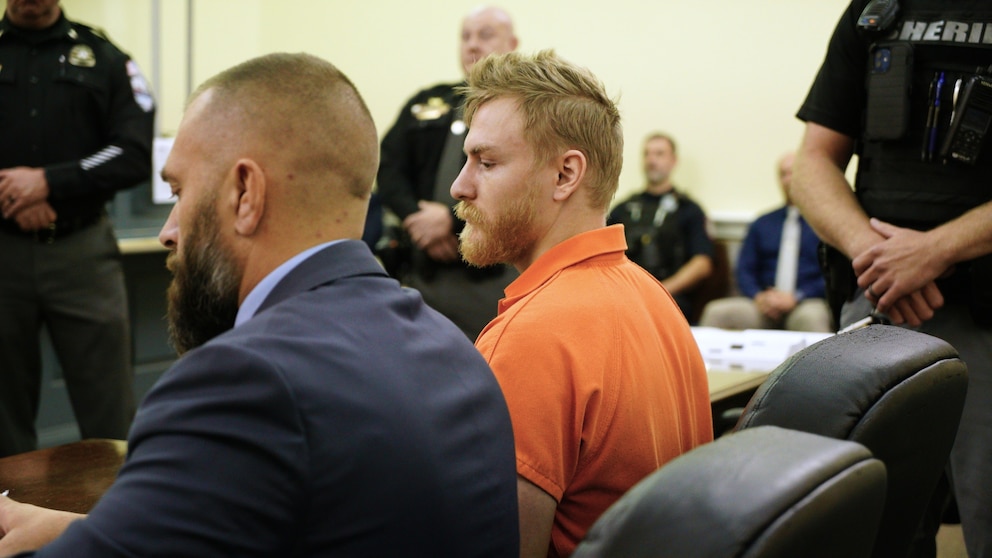
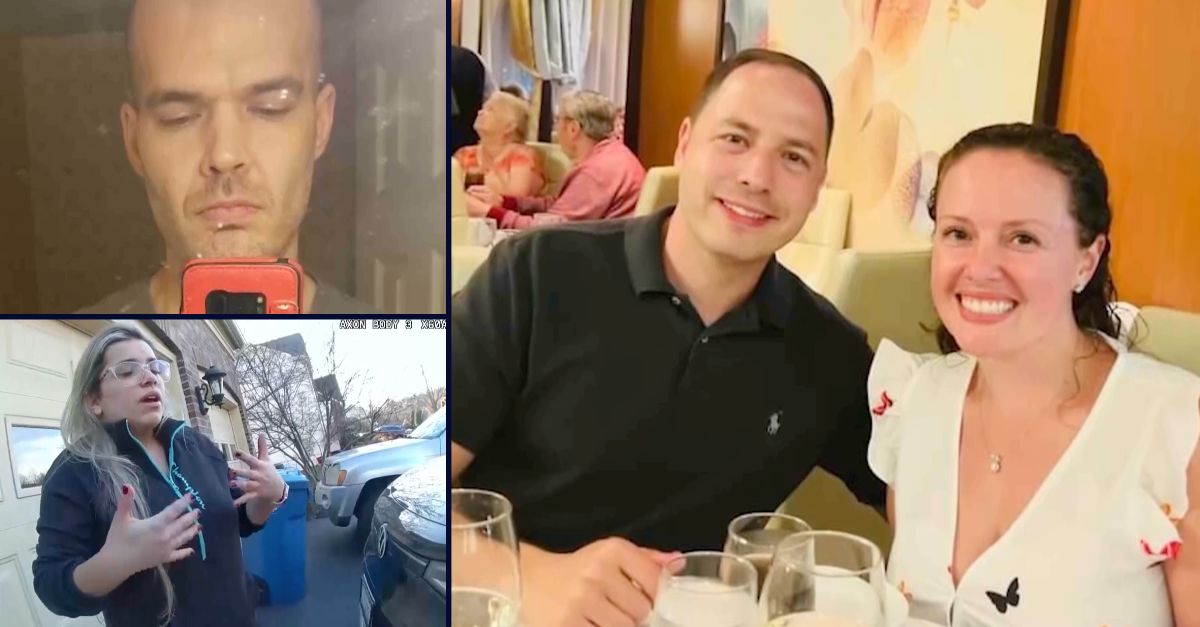
- WHO: Shotsie Buck-Hayes, 30, implicated in the attack; Lee Vogler, 39, identified as the victim.
- WHAT: Buck-Hayes pleaded guilty to attempted murder and aggravated malicious wounding for setting Vogler on fire.
- WHERE: The incident occurred in Danville, Virginia, at Vogler's place of employment. Buck-Hayes was sentenced in court, also in Danville.
- WHEN: The attack occurred in July 2025. Shotsie Buck-Hayes pleaded guilty in April 2026 and was sentenced on June 25, 2026.
- STATUS: Buck-Hayes received a life sentence with all but 40 years suspended. His attorney plans to appeal the sentence.
A Virginia man received a life sentence with 40 years suspended after pleading guilty to charges of attempted murder and aggravated malicious wounding for setting a city councilman on fire in an incident stemming from a romantic rivalry.
Shotsie Buck-Hayes, 30, was sentenced on June 25, 2026, in Danville, Virginia, following an attack in July 2025 on Lee Vogler, 39, who serves as a city councilman.
What Happened
According to court information, Shotsie Buck-Hayes pleaded guilty in April to attempted murder and aggravated malicious wounding. At his sentencing hearing, Buck-Hayes offered an apology to Vogler, stating, “You didn’t deserve what has happened to you, and I couldn’t be more sorry.”
During the proceedings, Vogler described the emotional and physical trauma of the attack. He said he was “ambushed and violently attacked at my place of employment, with no warning,” and reported experiencing constant nightmares where he relives being in the flames. Vogler’s mother also testified, highlighting the profound impact on their family, stating, “The calendar in my bedroom is still on July 2025, because my life changed and ended, in a way, then. I haven’t been able to turn the page beyond that date, and I don’t know if I’ll ever be able to.”
Buck-Hayes explained at the sentencing hearing that he and his wife separated in 2024 but maintained a sexual relationship, and he sought to save their marriage. He stated that after learning his estranged wife was involved with Vogler and having a difficult conversation with his ex on July 30, 2025, he decided to confront Vogler. In an interview with police, Buck-Hayes admitted to purchasing gasoline and melting Styrofoam into it, believing this mixture would “make it burn longer.” He then went to Vogler’s door, doused him with the accelerant, and set him on fire. Video evidence presented in court showed Buck-Hayes chasing Vogler, who was attempting to escape the flames.
The Charges Explained
Attempted Murder: This charge typically involves taking a substantial step towards intentionally causing the death of another person, even if the death does not occur. The perpetrator must have the specific intent to kill.
Aggravated Malicious Wounding: This charge generally involves maliciously shooting, stabbing, cutting, or wounding any person with the intent to maim, disfigure, disable, or kill. The term 'aggravated' often signifies severe injury, such as permanent and significant bodily impairment, or actions displaying an extreme disregard for human life.
How These Cases Move Through Court
In Virginia, felony cases like attempted murder and aggravated malicious wounding begin with an arrest, followed by an initial appearance in a General District Court. During this appearance, the defendant is informed of the charges and bail is often addressed. Given the severity of the charges, a preliminary hearing may be held in the General District Court to determine if there is probable cause to send the case to the Circuit Court's grand jury. If probable cause is found, the grand jury will review the evidence and may issue an indictment, formally charging the defendant. Once indicted, the case proceeds to the Circuit Court, where felony trials are held. Arraignment in Circuit Court usually follows, where the defendant enters a plea of guilty or not guilty. Cases can be resolved through a plea agreement, where the defendant pleads guilty in exchange for certain concessions, or they can proceed to a jury trial or a bench trial (heard by a judge without a jury). If convicted, sentencing occurs, and the defendant has the right to appeal the conviction or sentence to higher courts.
Context & Background
Acts of violence motivated by personal disputes, such as those related to domestic or romantic relationships, represent a category of crime that can lead to severe physical and emotional harm. These incidents often underscore the unpredictable nature of interpersonal conflicts when they escalate. Law enforcement and judicial systems are equipped to address such serious offenses within the framework of state laws, which define the parameters for charges, evidence, and sentencing, aiming to provide justice for victims and impose consequences for perpetrators.
Recognizing and Reporting Homicide
If you or someone you know is experiencing violence or threats, immediate action is crucial. For emergencies, always call 911. The National Domestic Violence Hotline at 1-800-799-SAFE (7233) provides support and resources, and the 988 Suicide & Crisis Lifeline can offer assistance for individuals in distress. If you have information about a crime, contact your local law enforcement agency. To report potential federal crimes, call 1-800-CALL-FBI.
What Happens Next
Following the sentencing, Shotsie Buck-Hayes' attorney, Edward Lavado, indicated plans to appeal the judge's decision. The next step will involve the legal process for filing and adjudicating that appeal, which will be heard by a higher court.