Case Summary
- Case Type
- Homicide
- Incident Date
- April 27, 2024
- Location
- Remote beachside area near Ensenada, Baja California, Ensenada, Baja California
- Investigating Agency
- Baja California State Prosecutor's Office
- Suspect
- Jesus Gerardo, Irineo Francisco, Angel Jesus
- Victim Count
- 3
- Charges
- Murder, Premeditated Murder, Attempted Robbery
- Arrest Status
- Convicted
- Court Status
- Sentenced to 158 years and nine months
- Case Status
- Closed
A Mexican judge in Ensenada, Baja California, has sentenced three men to more than 158 years in prison for the April 2024 murders of two Australian surfers and their American companion during a violent attempted robbery along the Pacific coast.
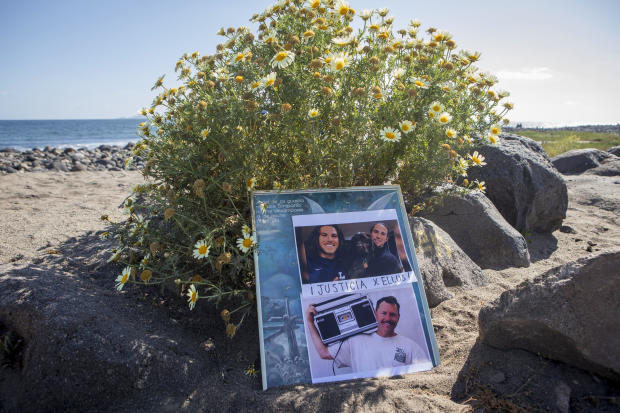
The victims, identified as Australian brothers Jake Robinson, 30, and Callum Robinson, 33, alongside American citizen Carter Rhoad, 30, were targeted while on a remote surfing trip. The killings occurred near the coastal city of Ensenada in Baja California, Mexico, a region popular among international tourists and surf enthusiasts.
Incident Overview
According to the Baja California state prosecutor's office, the three victims were on a recreational camping and surfing trip along Mexico's Pacific coast when they were attacked on or around April 27, 2024. The trio had established a campsite in a remote beachside area near Ensenada. Prosecutors stated that the perpetrators drove past the site, spotted the group's pickup truck and camping equipment, and decided to carry out an armed robbery to steal the vehicle's tires and other mechanical parts.
Chief State Prosecutor María Elena Andrade Ramírez indicated that the victims were not targeted because of their foreign nationality, but rather due to the opportunistic nature of the robbery. When the victims resisted or pleaded for their lives, the attackers shot all three men in the head using a 9mm pistol and a .45 caliber pistol. Following the shootings, the perpetrators attempted to destroy evidence by burning the victims' tents and pickup truck. They then transported the bodies approximately four miles away to a highly remote, cliff-top well, where they dumped the remains and covered the opening with wooden boards to conceal the crime.
Timeline of Events
- April 27, 2024: Jake Robinson, Callum Robinson, and Carter Rhoad establish a campsite in a remote beachside area near Ensenada, Baja California.
- April 28 to April 29, 2024: Attackers ambush the campsite in an attempt to steal vehicle parts, shooting all three campers in the head.
- May 2024: Law enforcement officials discover bloodstains and drag marks at the campsite, leading to the discovery of burned equipment and the location of the concealed cliff-top well containing the victims' bodies.
- November 2024: Co-defendant Ary Gisell Silva is sentenced to 20 years in prison for her involvement in encouraging the robbery.
- Friday Hearing: Judge Raul Hernandez sentences defendants Jesus Gerardo, Irineo Francisco, and Angel Jesus to 158 years and nine months in prison each.
Suspect Information
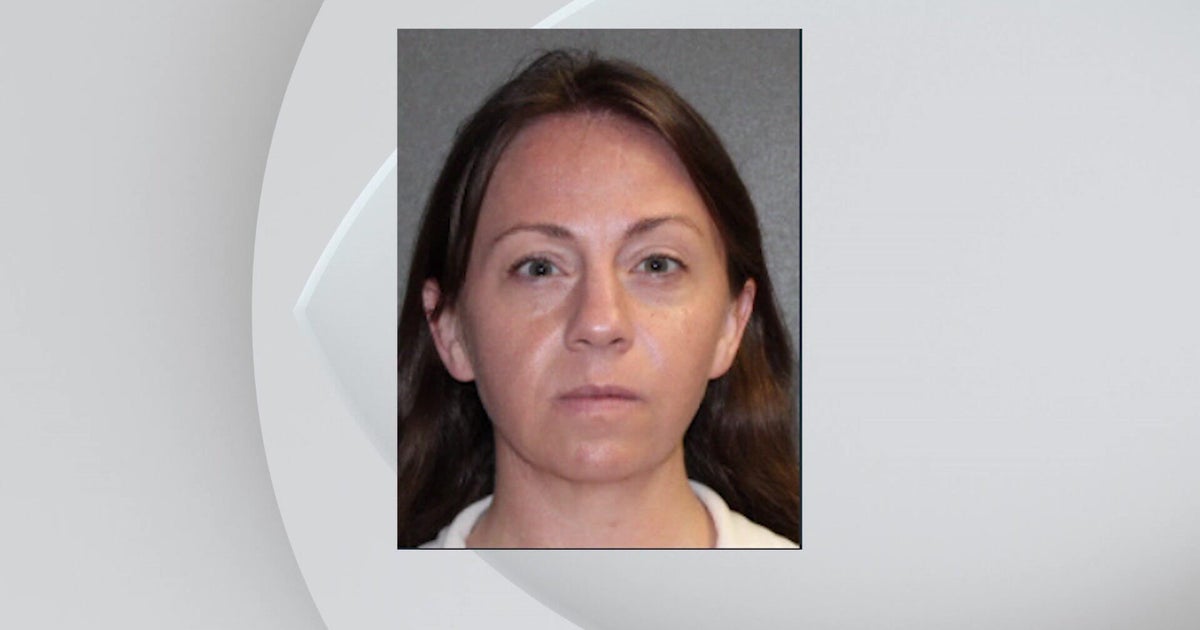
The primary defendants in the case were identified by court officials by their first names in accordance with Mexican legal norms: Jesus Gerardo, Irineo Francisco, and Angel Jesus. Prosecutors noted that Jesus Gerardo, known by the alias "el Kekas," had a prior criminal record preceding the fatal attack. A fourth individual, Ary Gisell Silva, who was the former girlfriend of Jesus Gerardo, admitted to goading him into stealing the tires from the victims' vehicle and was sentenced to 20 years in prison in November 2024. She disclosed to authorities that Jesus Gerardo had sneered at the victims' pleas for mercy and later boasted about the items stolen from the camp.
Victim Information
The three victims were active outdoor enthusiasts visiting the Baja California coast. Australian brothers Jake Robinson, aged 30, and Callum Robinson, aged 33, had traveled from Australia for the trip. Their friend, 30-year-old American citizen Carter Rhoad, was engaged to be married to Natalie Weirtz just months after the scheduled trip. Members of both families, including parents Martin and Debra Robinson and Page Rhoad, participated in court proceedings both in person and via international video links.
Police Response
Upon notification of the surfers' disappearance, state police units and forensic investigators from the Baja California state prosecutor's office launched a localized search of the Pacific coast near Ensenada. Responding officers located the burned campsite, identifying bloodstains and heavy drag marks across the terrain. Tactical teams tracked the trail across rough terrain to a remote cliff-top well four miles away. Search and rescue crews engaged in a specialized two-hour extraction operation to recover the bodies from the deep shaft, which had been covered by heavy wooden boards.
Investigation
The homicide investigation was directed by the Baja California State Prosecutor's Office under Chief Prosecutor María Elena Andrade Ramírez. Investigative personnel conducted forensic analyses on ballistics, tire tracks, and site burn patterns. During the recovery process at the cliff-top well, investigators discovered a fourth human body that had been placed in the shaft significantly earlier than the three surfers. While authorities suspected that the defendants may have been connected to the earlier death, no charges were filed regarding the fourth victim due to insufficient initial evidence.
Evidence Collected
- One 9mm caliber pistol recovered during search warrants.
- One .45 caliber pistol utilized during the shooting.
- Forensic blood samples and physical drag mark patterns logged at the seaside campsite.
- Remnants of burned camping tents and the destroyed pickup truck.
- Physical board coverings and structural evidence collected from the cliff-top well.
Arrest Details
State security forces apprehended Jesus Gerardo, Irineo Francisco, and Angel Jesus following targeted investigative operations in the Ensenada area. The suspects were taken into custody without incident and remanded to state custody pending formal judicial proceedings in Baja California.
Charges Filed
The defendants faced multiple severe felony charges under Mexican state penal code definitions, which were tried concurrently during the month-long trial:
- Premeditated Murder: Defined legally as the intentional, unlawful killing of a human being executed with forethought, malice, and deliberate planning. The court found that the defendants acted with clear premeditation when executing the victims during the commission of a felony.
- Attempted Robbery: The unlawful attempt to take personal property from the possession of another through the use of force, intimidation, or deadly weapons. The primary motive established by prosecutors was the theft of vehicle tires and mechanical accessories.
- Aggravated Homicide: Statutory enhancements applied due to the use of illegal firearms, multiple victims, and the deliberate concealment of human remains to impede law enforcement retrieval.
Court Information
The trial took place before the State Court of Baja California in Ensenada, presided over by Judge Raul Hernandez. Following the presentation of forensic evidence and testimony, Judge Hernandez ruled that all three male defendants acted with premeditation and malice. The court sentenced Jesus Gerardo, Irineo Francisco, and Angel Jesus each to serve 158 years and nine months in prison. Prosecutors requested more than $100,000 in restitution and financial damages for the families, but Judge Hernandez denied the criminal court damages order, ruling that financial compensation must be sought separately through civil court actions.
Statements from Authorities
Reflecting on the verdict, Page Rhoad, the mother of victim Carter Rhoad, stated: "There can never be justice for the loss of a son, but we are grateful that these men will never hurt anyone else." During the court proceedings, Martin Robinson, father of Jake and Callum, testified: "It's hard for a parent to lose a son, and we lost two sons." Debra Robinson added that her sons "were treated with such cruelty" during their final moments. Chief Prosecutor María Elena Andrade Ramírez noted that the well where the victims were hidden was "literally almost impossible to find," highlighting the extreme efforts taken by the perpetrators to conceal the crime.
Public Safety Information
Baja California is recognized as a high-crime area impacted by organized crime and localized violence, although violent incidents rarely target foreign tourists directly. Travelers visiting remote international destinations are urged to register with their respective home country travel monitoring programs, such as the U.S. Department of State Smart Traveler Enrollment Program (STEP). Standard emergency resources include calling local emergency response at 911 or contacting international law enforcement helplines such as the FBI at 1-800-CALL-FBI (1-800-225-5324) for foreign emergency assistance involving foreign nationals.
What Happens Next
Following the formal entry of the 158-year prison sentences, the three convicted defendants will be transferred from temporary holding facilities to a maximum-security state penitentiary in Mexico to begin serving their terms. Under Mexican criminal procedure law, defense attorneys have a statutory window to file formal notices of appeal regarding procedural rulings or sentencing lengths. Simultaneously, legal representatives for the victims' families may evaluate civil court filings in Mexican jurisdiction to pursue the financial restitution claims previously directed to civil court by Judge Hernandez.