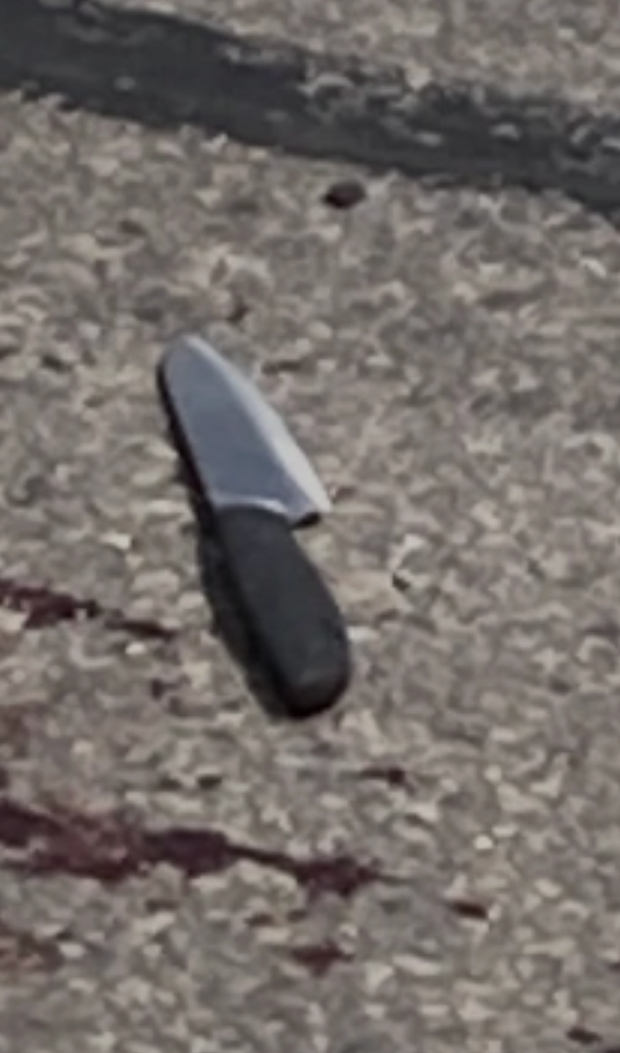
- WHO: A US Marshal was killed in a standoff with an unidentified fugitive.
- WHAT: The marshal was killed while authorities were executing a fugitive arrest warrant.
- WHERE: Louisiana.
- WHEN: The incident occurred during the execution of a warrant.
- STATUS: A US Marshal is deceased; details on the fugitive are not provided.
A US Marshal was killed in Louisiana during a standoff with a fugitive, as authorities attempted to execute an arrest warrant, according to a report from KXAN Austin.
The incident took place in Louisiana, where federal law enforcement officers were engaged in operations to apprehend an individual with an outstanding warrant.
What Happened
According to KXAN Austin, a US Marshal was fatally shot during the execution of a fugitive arrest warrant. The marshal's death occurred amidst a standoff with the suspect. Further details regarding the confrontation, including the specific location within Louisiana, the identity of the fugitive, and the sequence of events leading to the marshal's death, have not been released by authorities.
The Charges Explained
While specific charges against the fugitive in this case have not been itemized in the available information, in situations involving the death of a federal officer, charges would typically be filed under federal law. Potential federal charges could include murder of a federal officer (18 U.S.C. § 1114), which carries a maximum penalty of death or life imprisonment. Additional charges related to the underlying fugitive warrant or any other criminal activity during the standoff may also be pursued, depending on the circumstances.
How These Cases Move Through Court
Cases involving federal officers, particularly those resulting in death, are prosecuted within the federal court system. The process typically begins with an arrest, followed by an initial appearance before a federal magistrate judge, where the defendant is formally advised of the charges and a bond decision is made. A federal grand jury will then review evidence to determine if there is sufficient probable cause to issue an indictment. If indicted, the case proceeds to arraignment, where the defendant enters a plea. Discovery, motion practice, and potentially plea negotiations follow. If no plea agreement is reached, the case will go to trial before a jury, and if convicted, sentencing would occur. Throughout this process, the presumption of innocence applies, and the burden of proof rests with the prosecution.
Context & Background
Law enforcement officers, particularly those involved in fugitive apprehension, face inherent risks in their duties. The U.S. Marshals Service is the federal government's primary agency for fugitive investigations and arrests. According to available statistics, officer-involved shootings and fatalities are a sobering reality within law enforcement, underscoring the dangers authorities encounter when executing warrants and confronting individuals, especially those who may resist arrest or have a history of violent offenses.
Recognizing and Reporting Officer-Involved
In emergencies or situations requiring immediate law enforcement intervention, the public should always call 911. For reporting tips or information related to federal fugitives or other criminal activity to the FBI, individuals can contact 1-800-CALL-FBI. These hotlines offer direct lines to authorities who can investigate and respond to public safety concerns.
What Happens Next
While a specific court date has not been released, authorities are expected to continue their investigation into the incident. Any individual apprehended in connection with the marshal's death would face an initial court appearance in a federal district court, where they would be formally charged and their rights advised.