- WHO: An unnamed man
- WHAT: Received deferred adjudication in connection with a fatal shooting
- WHERE: Austin, Texas
- WHEN: The shooting occurred in 2020
- STATUS: Case resolved with deferred adjudication
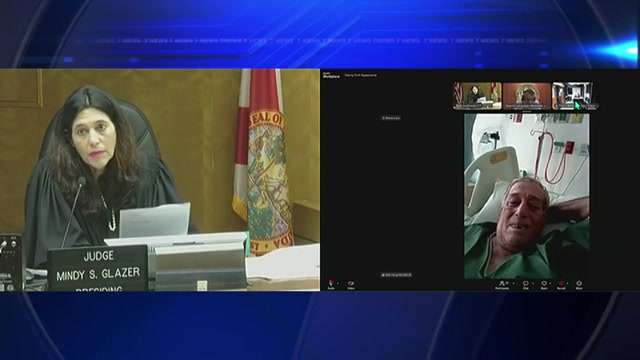
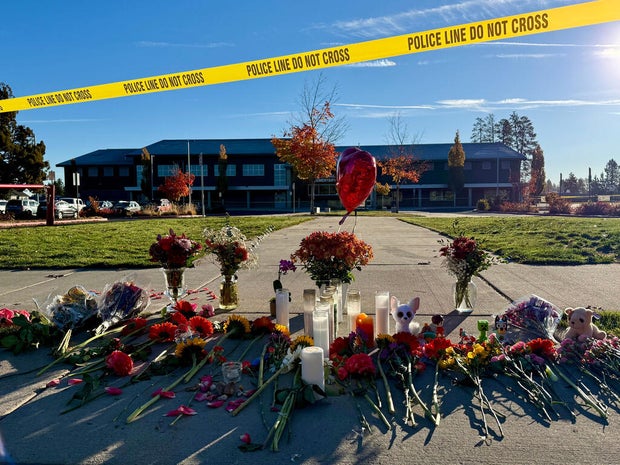
An individual has received deferred adjudication in connection with a fatal shooting that took place in Austin in 2020, according to a report from KXAN Austin.
The man, who has not been publicly identified, was involved in an incident that resulted in a death. The deferred adjudication was issued in Austin, Texas.
What Happened
According to KXAN Austin, the incident involved a shooting in 2020 that resulted in a fatality. The specific details surrounding the shooting, including the victim's identity and the precise circumstances, were not released in the report. Authorities have not identified the man who received the deferred adjudication.
The case concluded with the individual receiving deferred adjudication. This legal outcome means that while a finding of guilt was made, the judgment of conviction is withheld, allowing for the possibility of the charge being dismissed upon successful completion of probation.
The Charges Explained
The individual was linked to a fatal shooting, which in Texas typically falls under charges such as Murder or Manslaughter. Murder is generally defined as intentionally or knowingly causing the death of an individual, or intending to cause serious bodily injury and committing an act clearly dangerous to human life that results in death. Manslaughter involves recklessly causing the death of an individual. The specific charge for which deferred adjudication was granted was not specified, but it related to the act of "shooting and killing."
How These Cases Move Through Court
Criminal cases in Texas begin with an arrest, followed by an initial appearance or arraignment where charges are formally read, and bail is set. Grand juries may then review evidence to determine if there is sufficient probable cause to issue an indictment. If indicted, the defendant enters a plea, typically guilty or not guilty. Cases can proceed to trial, where a judge or jury hears evidence and renders a verdict, or they can be resolved through plea bargains. In some instances, such as this one, a court may grant deferred adjudication, which is a form of probation that allows a defendant to avoid a final conviction if they successfully complete the terms set by the court.
Context & Background
Homicide cases are among the most serious crimes prosecuted in the United States. Following an incident, law enforcement agencies conduct investigations to gather evidence, identify suspects, and determine the circumstances surrounding the death. Prosecutors then evaluate the evidence to decide on appropriate charges. The resolution of such cases can vary widely, from plea agreements to trials, and may include options like deferred adjudication depending on the specifics of the case and the defendant's criminal history.
Recognizing and Reporting Homicide
If you have information about a homicide or any violent crime, it is critical to report it to law enforcement. You can contact your local police department by calling 911 for emergencies or a non-emergency line for tips. Anonymous tips can often be submitted through crime stoppers programs. If you or someone you know is experiencing domestic violence, which can sometimes escalate to homicide, help is available by calling the National Domestic Violence Hotline at 1-800-799-7233. For general distress or crisis, including situations that might involve violence, the 988 Suicide & Crisis Lifeline offers support.
What Happens Next
With a deferred adjudication, the individual will be placed on a probationary period during which they must adhere to specific conditions set by the court. If these conditions are successfully met, the charge may be dismissed, and the individual would not have a final conviction on their record for this offense. Failure to comply with the terms of probation can result in the adjudication of guilt and the imposition of a conventional sentence, potentially including incarceration.