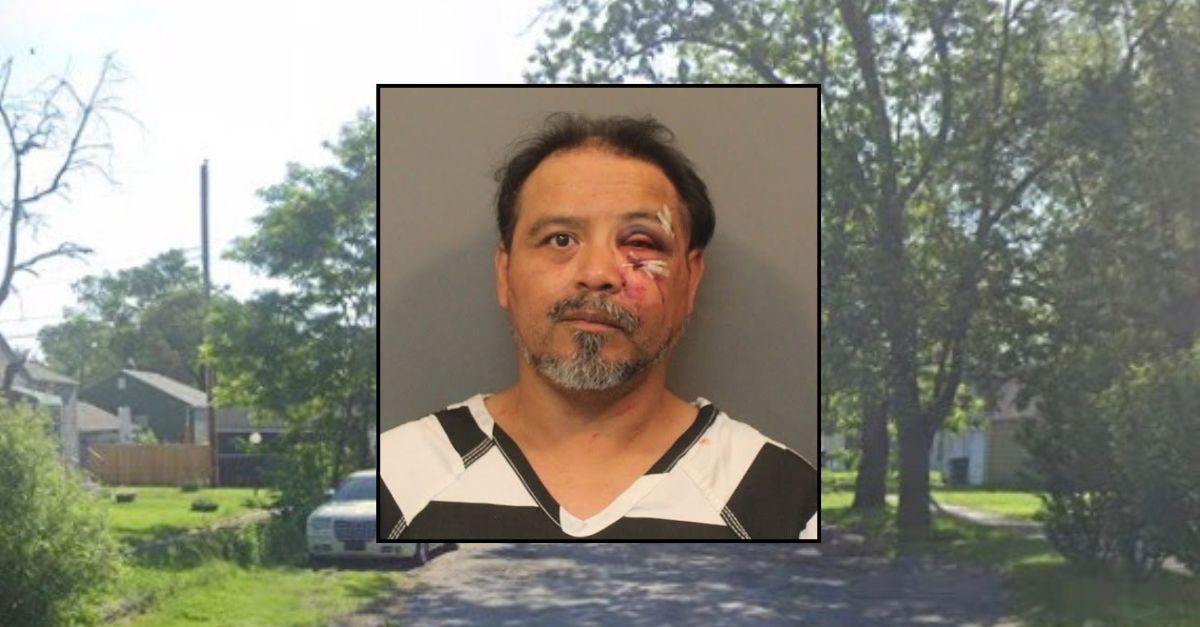
- WHO: An unnamed man faces charges. An unnamed Gary woman was the victim.
- WHAT: Charge of murder in connection with a 1998 killing.
- WHERE: Gary, Indiana.
- WHEN: The homicide occurred in 1998; an arrest was made recently.
- STATUS: An arrest has been made, and charges have been filed.
A man has been arrested and charged with murder in connection with the 1998 killing of a woman in Gary, Indiana, authorities announced recently.
The individual, whose identity has not been released by authorities, was taken into custody following an extensive investigation into the cold case. The victim, a woman from Gary, also remains unnamed in official reports at this time.
What Happened
According to a report from WGN Chicago, the homicide occurred in Gary, Indiana, in 1998. Details surrounding the incident itself, such as the specific circumstances of the death or how the suspect was identified after more than two decades, were not immediately available.
Authorities have not released information regarding the specific evidence that led to the arrest or the timeline of the investigation that brought this cold case to a resolution after 26 years. The press release from WGN Chicago indicated only that an arrest had been made and charges filed in connection with an unsolved killing from the late 1990s.
The Charges Explained
The suspect has been charged with murder. In Indiana, murder is generally defined as the knowing or intentional killing of another human being. It is one of the most serious offenses in the state's criminal code, carrying substantial penalties upon conviction.
How These Cases Move Through Court
Criminal cases in Indiana, like this murder charge, typically begin with an arrest, followed by the filing of formal charges by prosecutors. The accused individual is then brought before a judicial officer for an initial hearing, often referred to as an arraignment, where they are informed of the charges against them and their rights. Bail may be set at this stage. Subsequently, grand jury proceedings might occur to determine if there is sufficient evidence to issue an indictment, or prosecutors may proceed directly with an information document. If the case moves forward, there are opportunities for plea negotiations between the defense and prosecution. Should no plea agreement be reached, the case would proceed to trial, where a judge or jury would hear evidence and render a verdict. If convicted, the court would then impose a sentence.
Context & Background
Unsolved homicides can remain open for many years, often referred to as cold cases. Advances in forensic technology, such as DNA analysis, and persistent investigations can sometimes lead to breakthroughs in these long-dormant cases. Law enforcement agencies frequently maintain cold case units dedicated to reviewing evidence and re-examining leads from historical crimes, aiming to bring resolution for victims and their families, even decades after the initial incident.
Recognizing and Reporting Homicide
If you have information about a homicide or any suspicious activity, it is crucial to contact local law enforcement immediately. For emergencies, always dial 911. You can also contact the FBI with tips at 1-800-CALL-FBI, or local police departments directly. For individuals experiencing violence or abuse, the National Domestic Violence Hotline at 1-800-799-7233 offers support and resources.
What Happens Next
The accused individual is expected to undergo further legal proceedings, which will include future court appearances such as hearings and potentially a trial. Specific dates for these proceedings were not released in the initial reports.