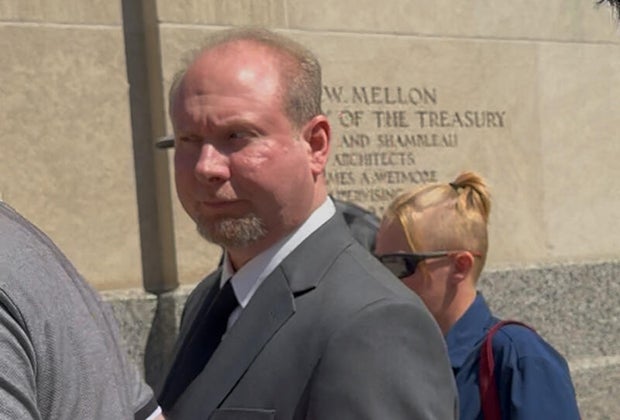
- WHO: Former Summit Chief of Police
- WHAT: Sentenced to 3 years in federal prison for accepting bribes
- WHERE: Summit
- WHEN: Sentencing occurred for prior bribery activities
- STATUS: Convicted and sentenced
A former chief of police for the village of Summit has been sentenced to three years in federal prison after being convicted of bribery charges, according to WGN Chicago.
The individual, who previously served as the Summit Chief of Police, received the sentence in connection with accepting bribes to facilitate the transfer of a liquor license within the village.
What Happened
According to WGN Chicago, the former Summit Chief of Police was involved in a scheme where bribes were accepted. These payments were reportedly made to ensure the smooth transfer of a liquor license. The details of the bribery scheme led to federal charges and subsequent conviction.
The sentencing reflects a federal court's decision in a case that highlights allegations of corruption within public service. The specific actions leading to the bribery charges centered on the misuse of official position for personal gain related to the liquor licensing process.
The Charges Explained
Bribery, as alleged in this case, generally involves offering, giving, soliciting, or receiving any item of value to influence the actions of an official or other person in charge of a public or legal duty. In the context of a public official, it usually means that a public servant accepted something of value with the intent to be influenced in the performance of an official act. Federal bribery statutes carry significant penalties, including imprisonment and fines, designed to deter corruption in government.
How These Cases Move Through Court
Federal criminal cases, such as those involving bribery, typically begin with an investigation by federal agencies. If probable cause is established, a grand jury may issue an indictment. Following an indictment, the accused is arraigned in federal court, where they enter a plea. Pre-trial motions and discovery then occur. The case may proceed to trial before a jury, or the defendant may enter a plea agreement. If convicted, either through a plea or at trial, a federal judge will determine the sentence based on federal sentencing guidelines and other factors.
Context & Background
Public corruption remains a significant focus for federal law enforcement and prosecutors, particularly when it involves officials entrusted with public duties. Cases such as this underscore the ongoing efforts to maintain integrity within government operations and ensure that public services are administered fairly and without undue influence. Bribery and similar offenses can erode public trust in institutions and create an uneven playing field for businesses and individuals.
Recognizing and Reporting Fraud/White Collar
Citizens who suspect instances of fraud, bribery, or other white-collar crimes can report them to federal authorities. The Federal Bureau of Investigation (FBI) investigates such matters. Reports can be made by contacting the local FBI field office, found at fbi.gov, or by calling 1-800-CALL-FBI (1-800-225-5324). In emergencies, or if there is an immediate threat, always call 911.
What Happens Next
Following the sentencing, the former chief will begin serving the three-year federal prison term. Further legal steps, such as appeals, may be pursued by the defense, but details on such actions have not been released.