Case Summary
- Case Type
- Homicide
- Incident Date
- 2025
- Location
- Wynwood, Miami, FL
- Investigating Agency
- WSVN Miami
- Victim Count
- 1
- Court Status
- Amended complaint filed
- Case Status
- Active civil or administrative legal filing following prosecutor decision
The mother of a 28-year-old woman killed in a police crossfire in the Wynwood neighborhood of Miami has filed an amended complaint against the Miami-Dade State Attorney's Office, according to reports from WSVN Miami.
The legal filing details the fatal 2025 incident and follows closely behind a decision by prosecutors declining to file criminal charges against the police officers involved in the shooting.
Incident Overview
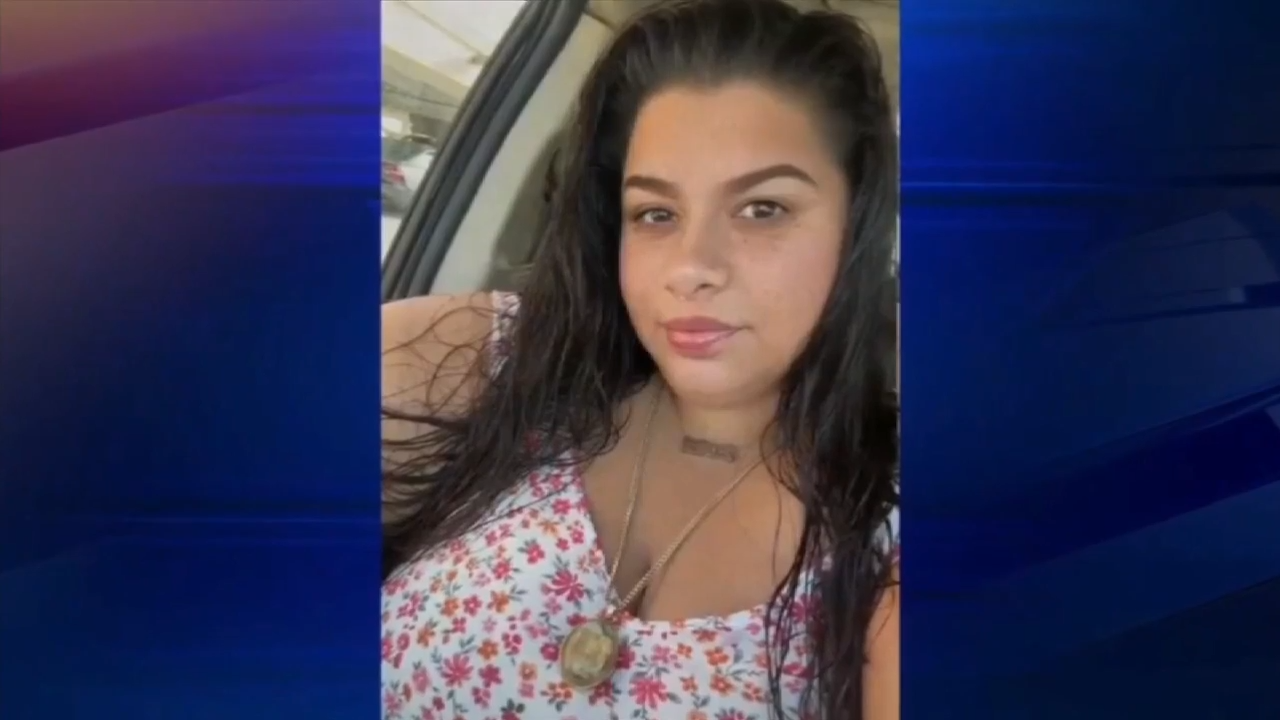
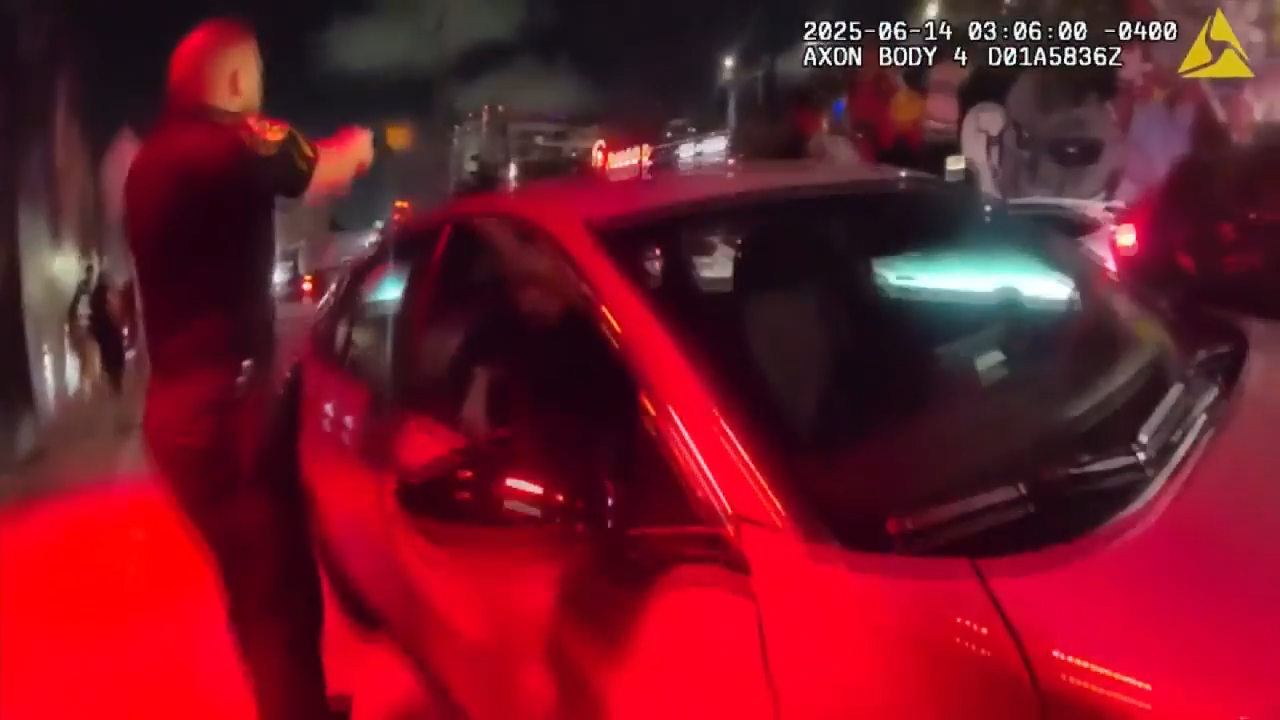
The deadly incident unfolded in the Wynwood area of Miami during a police operation that resulted in an exchange of gunfire. During the crossfire, 28-year-old Evelyn Valdes was struck and killed. Weeks after the fatal shooting, the Miami-Dade State Attorney's Office announced it would not pursue criminal charges against the officers involved in the deployment of lethal force, sparking widespread grief and outrage from the victim's surviving family members who maintain that accountability has been denied.
Victim Information
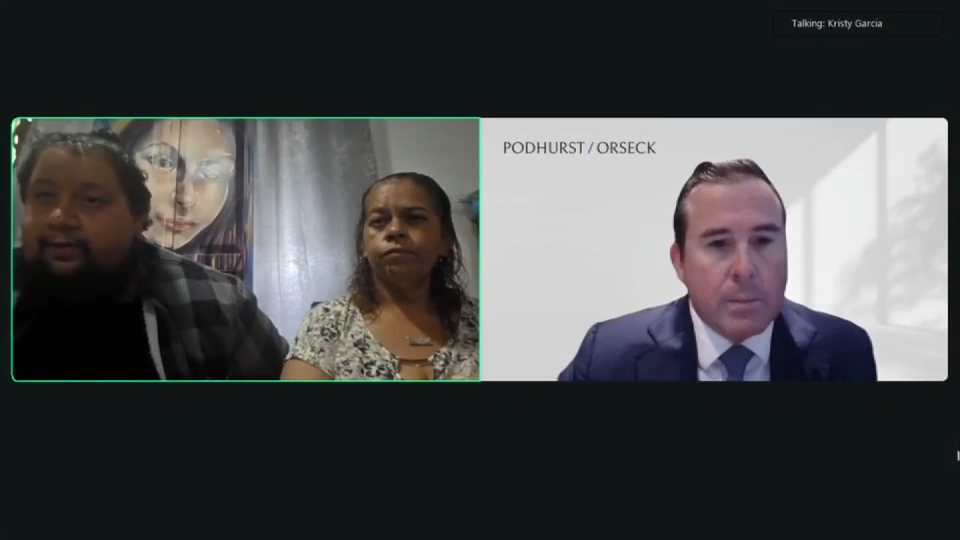
The victim in this fatal 2025 crossfire incident has been identified as 28-year-old Evelyn Valdes. Following the decision by prosecutors not to charge the officers involved, members of her family have spoken out publicly about their frustration with the justice system. The victim's mother, Kristy Garcia, expressed profound anger and sorrow over the outcome, stating that the government and the legal system have failed their family entirely. Additionally, the victim's sister, Jose Valdes, voiced suspicions regarding the transparency of the official handling of the investigation, suggesting that authorities may be attempting to conceal details surrounding the shooting.
Charges Filed
As this report concerns an amended civil or administrative complaint filed by the family against a government office following a prosecutorial declination, no criminal charges have been filed against law enforcement personnel in this matter. In the American criminal justice system, when an individual is suspected of a crime or when law enforcement officers use lethal force, investigative findings are compiled by detectives or specialized state investigative bodies and then handed over to local prosecutors. The prosecutor's office evaluates whether there is sufficient evidence to support formal criminal charges beyond a reasonable doubt. In this case, the Miami-Dade State Attorney's Office officially declined to bring criminal charges against the officers involved. Because no criminal charges were filed by the state, the legal recourse shifts to civil or administrative avenues, such as the amended complaint filed by the victim's family, which seeks to challenge the handling of the case and pursue alternative forms of accountability.
Court Information
The matter involves an amended complaint filed against the Miami-Dade State Attorney's Office. Specific docket numbers, presiding judges, and upcoming court dates have not been publicly released by authorities in the initial reporting. Civil and administrative complaints proceed through distinct legal channels compared to criminal trials. When a plaintiff files an amended complaint against a government entity or agency, the defendant typically has a designated statutory window to respond through a motion to dismiss, an answer, or other preliminary legal maneuvers. Should the complaint survive initial dismissal motions, the case proceeds into the discovery phase, where both parties exchange relevant documents, depositions, and investigative materials before moving toward pre-trial hearings or a potential civil trial.
Statements from Authorities
While direct statements from law enforcement leadership or the prosecutor's office were not detailed in the initial source text regarding the amended complaint, family members of the deceased victim provided direct quotes to reporting agencies. Kristy Garcia, the mother of Evelyn Valdes, stated: "I'm angry, yes. I'm very angry. And it's sad that the system has failed us. The government has failed us completely." Jose Valdes, the victim's sister, added: "Definitely trying to cover up something." These statements reflect the deep distrust and adversarial relationship that has developed between the grieving family and the institutional bodies tasked with investigating the 2025 shooting.
Public Safety Information
Incidents involving law enforcement use of force and subsequent legal disputes often generate significant community concern regarding public safety, transparency, and civil rights. Communities seeking resources or guidance regarding police accountability, civil rights violations, or victim support services can access various national assistance networks. For individuals in crisis or seeking support related to trauma and grief, the national suicide and crisis lifeline is available by dialing 988. Anyone with information or concerns regarding local law enforcement conduct can also reach out to relevant oversight boards, civil rights organizations, or legal advocacy groups operating within their respective state jurisdictions.
What Happens Next
Following the filing of the amended complaint against the Miami-Dade State Attorney's Office, the legal process will enter its preliminary civil stages. The defendant agency will review the amended filing and determine the appropriate legal response, which may include filing motions to dismiss or submitting formal answers to the allegations. If the litigation moves forward, attorneys for both the family and the state office will engage in discovery, gathering evidence, reviewing police reports from the 2025 incident, and potentially deposing witnesses and involved officials. The court will subsequently evaluate legal arguments from both sides to determine whether the complaint can proceed toward trial or resolution.