Case Summary
- Case Type
- General Crime News
- Incident Date
- 2016-10-05
- Location
- Washington, DC, Washington, DC
- Investigating Agency
- ABC7 New York
- Suspect
- James Comey
- Charges
- mishandling classified information, making a false statement, obstruction
- Court Status
- Active
- Case Status
- Pending
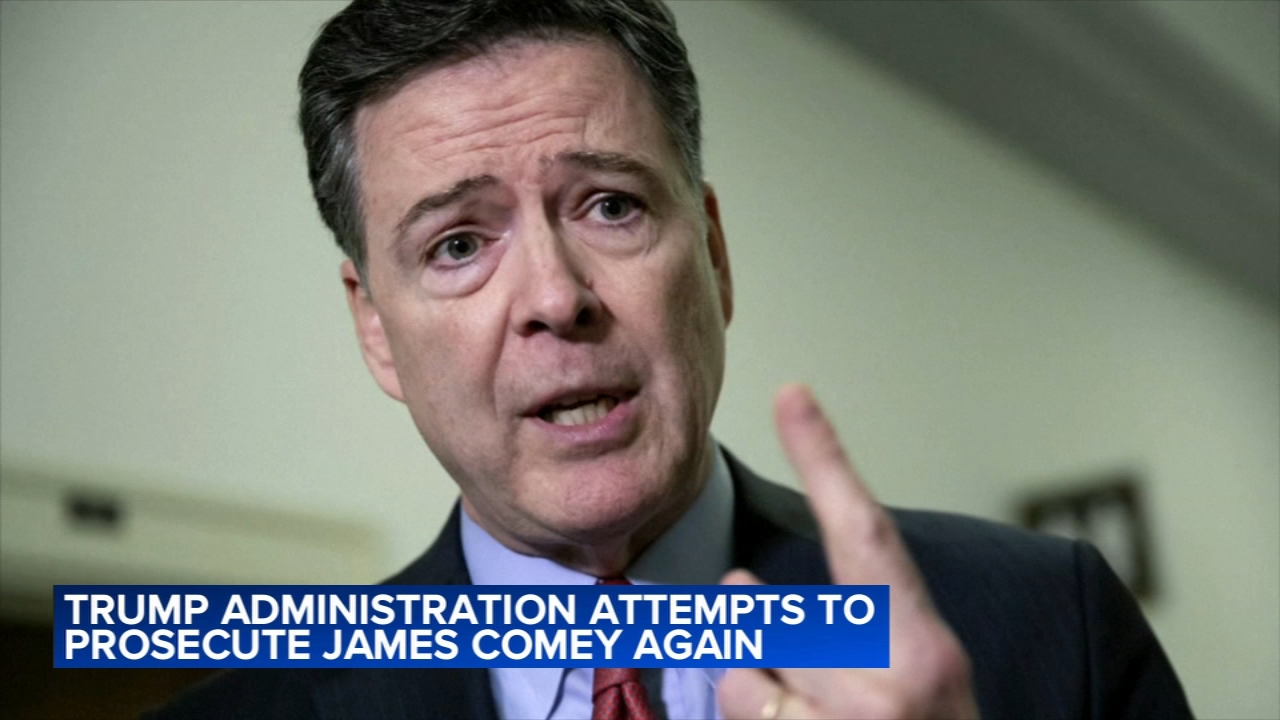
Attorneys for former FBI Director James Comey appeared in a Washington, D.C. federal court on Friday in an emergency push to dismiss criminal allegations brought by the Justice Department involving the alleged mishandling of classified information.
The ongoing legal proceedings in Washington, D.C., represent the third known effort by federal prosecutors to bring charges against the former FBI head following public demands from President Donald Trump for the Justice Department to prosecute perceived political foes.
Incident Overview
According to unsealed court records, prosecutors allege that James Comey directed FBI staff to leak information to a New York Times reporter for an article published on October 5, 2016, titled Yahoo Said to Have Aided U.S. Email Surveillance by Adapting Spam Filter. Prosecutors stated that the investigation uncovered evidence that Comey sought to correct misinformation from a previous Reuters article by directing staff to speak with a reporter about specific accuracy concerns, thereby transferring classified information.
The underlying reporting centered on whether the Department of Justice sought a court order from the Foreign Intelligence Surveillance Court to force Yahoo to search for communications involving members of a foreign terrorist organization. Prosecutors filed the allegations via a criminal information under seal on October 5, bypassing the traditional grand jury indictment process.
Timeline of Events
- October 5, 2016: The New York Times published an article concerning Yahoo email surveillance following directions given by Comey to FBI staff.
- September 2025: Comey was previously indicted on charges of making a false statement and obstruction related to 2020 Senate Judiciary Committee testimony, a case that was later dismissed.
- April 28: Comey was indicted in North Carolina regarding an Instagram post featuring seashells on a beach.
- Monday: Details of the behind-the-scenes legal fight regarding the classified information allegations were unsealed by order of D.C. District Judge Trevor McFadden.
- Friday: Attorneys for James Comey returned to court in Washington, D.C., to fight the Justice Department efforts.
Suspect Information
The suspect is identified as James Comey, also known as James B. Comey, the former director of the Federal Bureau of Investigation.
Victim Information
Victims are not named in the available court records and official releases.
Police Response
Law enforcement and investigative actions in this matter were conducted by federal authorities within the Department of Justice rather than traditional local police responding to a scene.
Investigation
The federal investigation was conducted by the Department of Justice, culminating in the filing of a criminal information and subsequent unsealing of court documents by D.C. District Judge Trevor McFadden.
Evidence Collected
- A New York Times article published on October 5, 2016.
- A Reuters article published the day prior regarding Yahoo email surveillance.
- An Instagram post featuring seashells and the numbers 86 47.
Arrest Details
Specific physical arrest details were not reported in the release, as prosecutors filed the allegations via a criminal information.
Charges Filed
- Mishandling classified information: Allegations concerning the unauthorized removal or transmission of sensitive government secrets, governed by federal statutes regarding the protection of national security information.
- Making a false statement: Charges relating to providing untrue or misleading testimony or statements to government officials or legislative bodies, carrying potential prison sentences and fines upon conviction.
- Obstruction: Allegations involving interference with the administration of justice or congressional inquiries, which are serious federal felonies carrying significant statutory penalties.
Court Information
The case is being handled in the U.S. District Court for the District of Columbia before Judge Trevor McFadden. The docket or case number is not released. A future court appearance in a separate North Carolina case is scheduled for January.
Statements from Authorities
According to court filings from prosecutors, The United States investigation has uncovered evidence that former FBI Director, James B. Comey, sought to correct misinformation which had appeared in the press by way of Reuters the day before. Prosecutors further stated, Mr. Comey directed staff to speak to the New York Times reporter about specific accuracy concerns related to the Reuters article, and thereby illegally transferred classified information. Commenting on a separate social media post, Comey stated, I didn't realize some folks associate those numbers with violence. It never occurred to me but I oppose violence of any kind so I took the post down.
Public Safety Information
This matter involves white-collar and political legal proceedings rather than immediate physical threats to the general public. Individuals seeking information on federal law enforcement matters or needing to report federal crimes can contact the Federal Bureau of Investigation at 1-800-CALL-FBI.
What Happens Next
As the legal process moves forward, the federal court will consider the motion to dismiss filed by the defense regarding the statute of limitations. Depending on the judge's ruling, the case could proceed toward further pre-trial hearings, motion practice, or potential trial proceedings in federal court.