- WHO: One deceased, one injured.
- WHAT: Fatal domestic-related double shooting.
- WHERE: An apartment complex in the suburbs of Chicago.
- WHEN: The incident led to a police response and subsequent news report from WGN Chicago.
- STATUS: Investigation ongoing; incident believed to be targeted.
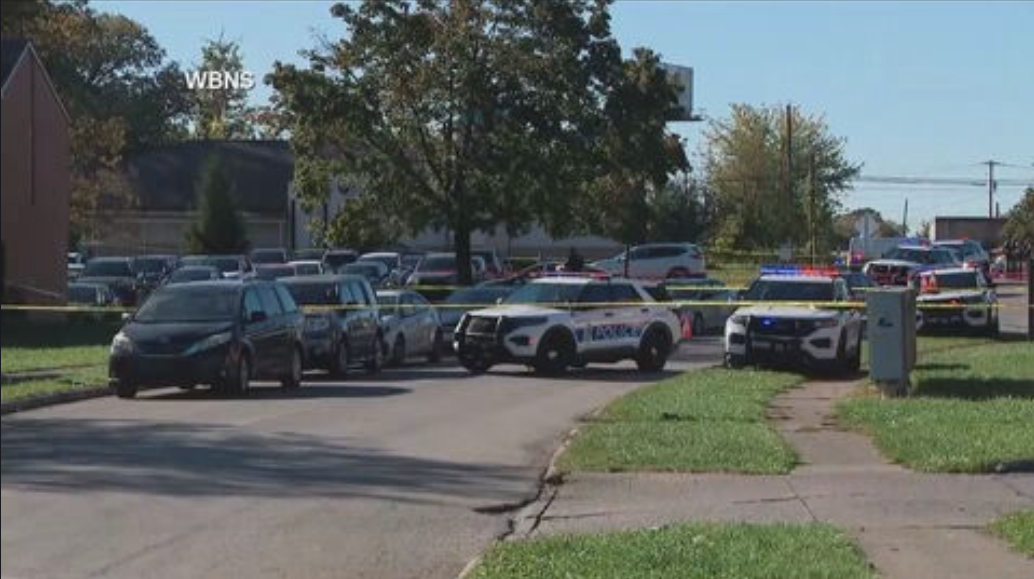
One individual is dead and another sustained injuries following a shooting incident at a suburban apartment complex. Authorities are investigating the event, which is believed to be domestic-related and targeted.
The incident occurred at an unspecified apartment complex located in the Chicago suburbs. WGN Chicago reported on the shooting, detailing the fatalities and injuries without identifying the specific location or individuals involved.
What Happened
According to reports from WGN Chicago, a shooting at a suburban apartment complex resulted in one fatality and one injury. Law enforcement officials indicated that the incident was domestic-related, suggesting a connection between the parties involved.
Investigators currently believe the shooting was targeted, implying the victims were not randomly chosen. Further details regarding the sequence of events or the individuals involved have not been released by authorities or reported by WGN Chicago.
The Charges Explained
While specific charges have not been itemized or publicly released in this case, a fatal shooting typically involves serious criminal allegations. Depending on the intent and circumstances, potential charges could range from first-degree murder, which involves premeditation or extreme indifference to human life, to other homicide charges like second-degree murder or involuntary manslaughter. If an individual is injured but not killed, charges such as aggravated battery with a firearm or attempted murder could be considered. The precise charges would be determined by prosecutors based on the evidence collected during the investigation.
How These Cases Move Through Court
In Illinois, criminal cases, particularly those involving homicide, typically begin with an arrest followed by formal charges filed by prosecutors. The accused would then appear for an arraignment, where they are informed of the charges against them and enter a plea. For serious felonies like homicide, a grand jury may be convened to determine if there is sufficient evidence for an indictment. If indicted, the case proceeds to discovery, where both sides exchange evidence, and pre-trial motions are heard. Many cases are resolved through plea bargains, but if no agreement is reached, the case can go to trial. During a trial, a judge or jury hears evidence and determines guilt or innocence. If found guilty, a sentencing phase follows. Throughout this process, the accused is presumed innocent until proven guilty beyond a reasonable doubt.
Context & Background
Domestic-related violence remains a significant public safety concern across the United States, often leading to tragic outcomes. Such incidents frequently occur in private residences, including apartment complexes, and can escalate rapidly. Law enforcement agencies often emphasize the targeted nature of these crimes, distinguishing them from random acts of violence, though the consequences for victims and communities can be equally devastating.
Recognizing and Reporting Homicide
If you or someone you know is experiencing domestic violence, help is available. The National Domestic Violence Hotline can be reached at 1-800-799-7233. For immediate emergencies or to report suspicious activity that may prevent a crime, contact 911. If you have information regarding a federal crime, you can also contact the FBI at 1-800-CALL-FBI.
What Happens Next
The investigation into the shooting is ongoing. Authorities will continue to gather evidence, interview witnesses, and process the scene. Further details, including potential charges or suspect information, may be released as the investigation progresses and law enforcement officials deem appropriate.